

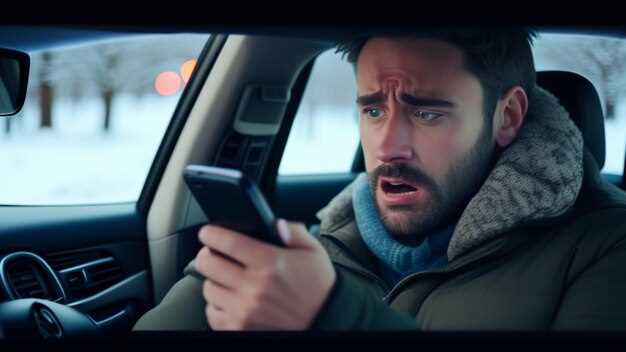
When it comes to purchasing a Jeep, understanding the pitfalls of the buying process is crucial for every buyer. The thrill of owning a rugged vehicle can quickly turn to frustration if you fall victim to common scams that target unsuspecting buyers. Recognizing these scams is essential not only for ensuring a smooth transaction but also for safeguarding your financial interests.
The automotive industry, unfortunately, is rife with dishonest practices that can deceive even the most vigilant buyer. From counterfeit documentation to inflated pricing, potential pitfalls are abundant. By being aware of these tactics and maintaining a strong focus on your safety, you can navigate the complexities of purchasing a Jeep with confidence and peace of mind.
This article will highlight some of the most prevalent scams related to Jeep purchases, equipping you with the knowledge needed to make an informed decision. By educating yourself on these fraudulent schemes, you’ll significantly reduce your risk and enhance your overall buying experience.
Identifying Fake Listings and Pricing Red Flags
When searching for a used Jeep, being aware of fake listings and pricing red flags is crucial for any buyer looking to avoid scams. The online marketplace can often be a minefield of deceitful offers, so knowing what to look for can save you time and money.
One of the first indicators of a fake listing is the price. If you come across a Jeep listed for significantly less than its market value, it’s a major red flag. Scammers often price vehicles attractively low to lure in unsuspecting buyers. Do your research on the average price for the specific Jeep model you are interested in and remain skeptical of any listings that deviate drastically from that average.
Another warning sign is the listing itself. Pay attention to the quality of the photos and the description provided. Legitimate sellers usually upload clear, detailed images showing multiple angles of the Jeep, including interior shots. If the listing only has stock images or blurry photos, this may indicate a scam. Likewise, poorly written descriptions with grammatical errors or vague details about the vehicle’s history can indicate a lack of credibility.
Additionally, be cautious of sellers who are unwilling to communicate via phone or who insist on using only messaging platforms. A legitimate seller should be open to discussing the vehicle directly and answering any questions you may have. If the seller is defensive or overly eager to close a deal quickly, it’s a sign to walk away.
Finally, when dealing with the transaction, always be wary of requests for payment via unconventional methods, such as wire transfers or prepaid debit cards. Genuine transactions should occur through secure payment platforms or in person. Protecting yourself as a buyer requires vigilance, so always trust your instincts and thoroughly vet any potential Jeep listings before making a commitment.
Verifying Vehicle History and Title Legitimacy

When buying a Jeep, it is crucial for the buyer to verify the vehicle’s history and the legitimacy of its title to avoid falling victim to scams. A detailed vehicle history report will provide essential information such as previous ownership, accident history, and any outstanding liens. These reports can be obtained through various services like Carfax or AutoCheck, which compile data from multiple sources. Always request the Vehicle Identification Number (VIN) to ensure you are getting accurate information specific to the Jeep you are considering.
Additionally, inspecting the title itself is vital. A legitimate title should display the owner’s name, the VIN, and the state of registration. Be wary of titles that appear altered or have discrepancies in the information provided. If the seller offers a title that is salvaged or rebuilt, be cautious, as these may indicate extensive previous damage and could lead to further problems down the line.
It’s advisable to cross-check the title with state records, which can reveal whether the title is clear or if there are any hidden issues, such as theft reports or pending legal claims. Always trust verified sources when gathering this information, as relying solely on a seller’s word can increase the risk of scams.
In essence, thorough research and verification of both the vehicle history and title legitimacy are essential steps for any buyer looking to purchase a Jeep. Taking these precautions can significantly reduce the chances of being scammed and ensure a safer buying experience.
Securing Safe Transactions and Test Drive Protocols

When purchasing a Jeep, ensuring safety in transactions and following proper test drive protocols are crucial steps for any buyer. Here are key points to consider:
- Verify the Seller: Always check the credentials of the seller. Ensure that they are reputable, whether it’s a dealership or a private party.
- Use Secure Payment Methods: Avoid cash transactions. Opt for secure payment methods such as bank transfers or certified checks to protect your finances.
- Get a Vehicle History Report: Obtain a report from services like Carfax or AutoCheck. This provides essential information regarding previous accidents, title status, and odometer readings.
- Meet in Public Places: Conduct transactions in well-lit, public areas. This not only enhances safety but also acts as a deterrent to potential scams.
Before driving the Jeep, follow these test drive protocols:
- Inspect the Vehicle: Conduct a thorough inspection of the Jeep’s exterior and interior. Look for any signs of damage or excessive wear.
- Check Under the Hood: Examine the engine and fluid levels. Confirm there are no leaks or unusual sounds when the engine is running.
- Test Drive Route: Choose a diverse route that includes highways and local streets. This allows you to assess the Jeep’s performance in various conditions.
- Pay Attention to Handling: During the test drive, observe how the Jeep handles. Pay close attention to brakes, steering, and acceleration.
- Ask Questions: Engage with the seller. Inquire about maintenance records, any previous issues, and the reason for selling the vehicle.
Following these guidelines will enhance buyer safety and minimize the risk of encountering scams while purchasing a Jeep. Always prioritize due diligence throughout the buying process.


