


Maintaining the health of your Jeep tires is crucial for ensuring optimal performance and safety while navigating diverse terrains. Proper maintenance not only extends the lifespan of your tires but also enhances fuel efficiency and driving comfort. Understanding the unique requirements of Jeep tires, along with appropriate care techniques, can significantly enhance your off-road and on-road experiences.
Regular maintenance and timely rotation of your tires are essential practices that every Jeep owner should prioritize. Uneven tire wear can lead to decreased traction, handling issues, and ultimately higher replacement costs. By following a structured tire care routine, you can ensure that your Jeep remains dependable, even under the harshest conditions. This guide aims to equip you with the best practices for tire rotation and care to keep your Jeep ready for any adventure.
In this comprehensive article, we will delve into the recommended guidelines for Jeep tire care, the importance of rotation intervals, and the steps necessary to ensure that your tires are in top condition. Whether you are an avid off-roader or simply enjoy weekend drives, understanding these best practices will help you maintain a reliable, high-performing vehicle.
Understanding Jeep Tire Types and Their Unique Needs
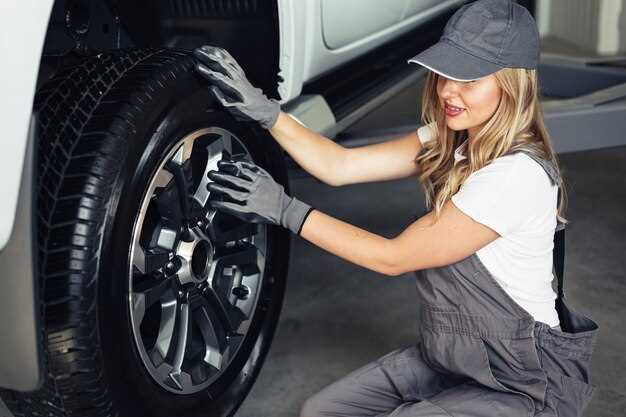
When it comes to maintenance of your Jeep, understanding the different types of tires designed for various terrains and purposes is crucial. Each type of tire offers unique features that cater to specific driving conditions and requirements. This section will delve into the various Jeep tire types and their distinctive needs, ensuring that you choose the right tires and maintain them properly.
There are primarily three categories of tires for Jeep vehicles: all-terrain, mud-terrain, and highway tires. All-terrain tires are versatile and suitable for a mix of road and off-road conditions. They provide a balance between traction and comfort, making them ideal for daily driving and occasional off-road adventures. Regular rotation and maintenance, such as checking air pressure and tread depth, are essential to maximize their lifespan.
Mud-terrain tires are specifically designed for off-road use, featuring deeper treads and larger voids for enhanced grip on slippery surfaces. While they excel in mud and rough terrains, they may lead to increased road noise and reduced fuel efficiency on highways. Proper maintenance of these tires includes frequent inspection for damage and a thorough cleaning to remove debris that could cause premature wear.
Highway tires, on the other hand, prioritize comfort and fuel efficiency for those who primarily drive on paved roads. Although not suited for intense off-road conditions, they provide a smooth ride and better gas mileage. Regular tire rotations and alignment checks are key to extending their performance and lifespan.
Regardless of the type of tires you choose for your Jeep, understanding their unique needs is paramount. Monitor tread wear, maintain appropriate air pressure, and rotate your tires as recommended to ensure optimal performance and safety. By prioritizing the specific maintenance requirements of each tire type, you can ensure that your Jeep remains capable and reliable, whether on the road or off the beaten path.
Key Indicators for Tire Maintenance and When to Rotate
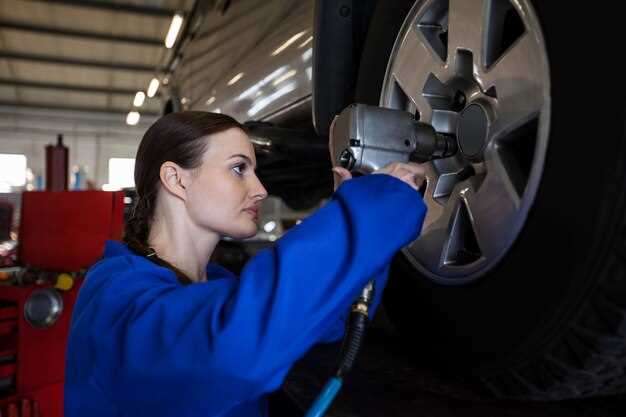
Regular maintenance of your Jeep’s tires is essential for ensuring safe driving and prolonging the lifespan of your tires. Recognizing the key indicators for when to perform tire maintenance and rotate your tires can help you avoid issues that might compromise your vehicle’s performance.
Tread Depth: One of the most critical indicators of tire health is the tread depth. Use the penny test: insert a penny into the tread with Lincoln’s head facing down. If you can see the top of Lincoln’s head, it’s time to replace your tires. Maintaining adequate tread depth improves traction, especially in off-road conditions that Jeeps often encounter.
Uneven Wear Patterns: Inspect your tires for uneven wear, which can indicate misalignment or improper inflation. If one side of the tire is more worn than the other, it may be time for a rotation or further inspection. Regularly rotating your tires every 5,000 to 7,500 miles can help prevent uneven wear and extend tire life.
Vibration or Noise: Unusual vibrations or noise while driving can signal that your tires need rotation or are reaching the end of their lifespan. If you notice a change in ride quality, have your tires examined by a professional to determine if rotation or replacement is necessary.
Visible Damage: Regularly inspect for cuts, bulges, or punctures that may not be immediately noticeable. These damages can affect tire integrity. If you spot any visible issues, it’s crucial to have them assessed by a tire specialist without delay.
Seasonal Changes: As seasons change, tire performance can vary. Consider rotating your tires with each season to adapt to changing road conditions. This practice will also help in aligning tread patterns effectively with seasonal requirements.
Tire maintenance is essential for the performance and safety of your Jeep. Stay vigilant for these key indicators, and follow the recommended rotation schedule to ensure a smooth and secure driving experience.
Tools and Techniques for Proper Tire Care on Your Jeep
Maintaining your Jeep’s tires is crucial for optimal performance, safety, and longevity. Proper tire care involves an array of tools and techniques, ensuring your tires are always in peak condition.
Tire Pressure Gauge: This essential tool helps you monitor your tire pressure regularly. Maintaining the correct tire pressure enhances fuel efficiency and provides better traction. Check your Jeep’s owner manual for the recommended pressure and inspect your tires at least once a month.
Tread Depth Gauge: Measuring tire tread depth is vital for safety and performance. The minimum tread depth should be no less than 2/32 of an inch. A tread depth gauge is an easy tool that helps assess tire wear, ensuring that your Jeep can handle various terrains effectively.
Tire Cleaning Products: Keep your tires free of dirt and debris using specialized tire cleaning solutions. These products help maintain the rubber’s integrity and can prevent cracking or fading, extending the lifespan of your tires.
Jack and Jack Stands: For tire rotation and inspection, a reliable jack and sturdy jack stands are necessary. Always ensure the vehicle is on a flat surface and securely supported before performing any tire maintenance tasks.
Tire Iron or Wrench: To remove and install lug nuts during tire rotation, use a tire iron or wrench. Ensure you follow a star-pattern sequence when fastening lug nuts to distribute pressure evenly.
Tire Pressure Monitoring System (TPMS): Many modern Jeeps are equipped with TPMS that alerts you when tire pressure is low. Familiarize yourself with this system to proactively address any pressure issues.
Proper Rotation Techniques: Follow a rotation pattern that suits your Jeep’s drive type–front-to-back or a cross pattern–as outlined in the owner’s manual. Regular rotation helps to ensure uniform tire wear.
Employing these tools and techniques not only aids in maintaining your Jeep’s tires but also enhances overall vehicle performance and safety. Regular checks and maintenance are key to a smooth and enjoyable driving experience.


